Selecting an ADA Easily Accessible Portable Toilet Rental for Public Usage
When people talk about restroom access at a public event, jobsite workplace, event, park program, or community event, the conversation usually begins too late. Someone counts expected presence, approximates the variety of systems, and afterwards, near the end, asks whether one must be accessible. That order produces troubles. Availability is not an add-on. It influences where the units go, how individuals reach them, just how the doors clear, and whether the setup benefits actual people instead of simply on paper.
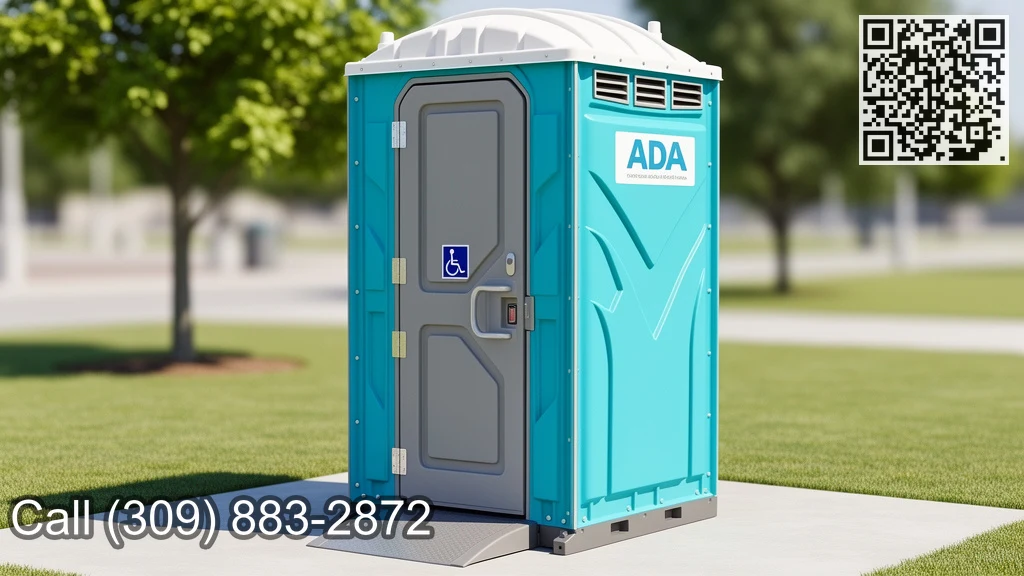
I have actually seen organizers get tripped up by an easy presumption: if a vendor identifies a system as an ADA portable toilet, the work is done. It rarely is. The device matters, naturally, yet placement issues equally as much. So does the proportion of accessible devices within a collection. So does signs. So does the path leading to the door. If any one of those pieces is wrong, the service may fall short for public use even if the storage tank, frame, and interior were marketed as compliant.
Choosing an ADA easily accessible mobile washroom leasing for public usage is really concerning 2 commitments simultaneously. The very first is legal compliance under the federal access criteria that control these rooms. The 2nd is human self-respect. A person making use of a wheelchair, pedestrian, cane, or various other mobility help must not have to search for the one functional toilet, discover it is blocked by soft ground, or find that the door can not be approached safely. That experience sticks with individuals, and not in an excellent way.
Start with the requirement that in fact controls the decision
For public use in the United States, the regulating federal ease of access standard is the 2010 ADA Specifications for Accessible Layout, as translated by the Gain access to Board and the Division of Justice. That matters because the market has lots of laid-back language. You will certainly listen to systems described as "wheelchair friendly," "large delay," "handicap porta potty," or "event obtainable." Those expressions may be well intentioned, but they are not the standard.
If you are renting out for public use, what you require to think of is whether the arrangement pleases the ADA structure for easily accessible toilet centers. That includes the system itself and the problems around it. A supplier may use an ada certified mobile commode or a financial institution of ada certified mobile washrooms, yet you still need to validate that the installation satisfies the availability regulations that apply as soon as the units remain in place.
This is where numerous mistakes occur. Customers focus on the shell and neglect the site. A genuinely functional ada handicap easily accessible portable bathroom is not just a bigger cabin with a grab bar. It must belong to an available setup.
The number of easily accessible units is not arbitrary
For collections of portable single-user toilet units, at the very least 5 percent of the systems in each collection need to come. The Accessibility Board has actually made clear that this uses even at momentary occasions. That point is worth reducing for since short-term arrangements are often where shortcuts appear. People presume that because an occasion lasts someday, a weekend break, or a week, the requirements are looser. For this concern, that assumption is risky.
The "each collection" component is very easy to forget. If units are spread out throughout numerous places at a fairground, event impact, athletic location, or outside civic occasion, you can not treat the entire residential or commercial property as one large swimming pool and conceal the accessible unit at the far end. Each collection needs to be assessed by itself. From a sensible viewpoint, that avoids an usual failure: an individual comes to the nearest toilet bank just to learn the easily accessible option is somewhere else entirely.
For coordinators, this generally adjustments ordering decisions early. Rather than asking whether to rent out one ada mobile commode someplace on site, the much better concern is how many clusters exist and whether each collection includes the called for accessible share. That is the type of detail that separates a cautious plan from a final scramble.
A tag on the side is needed, but it is not enough
Accessible mobile commode units must be related to the International Icon of Availability. This might appear minor, yet it does genuine service the ground. Clear identification assists individuals discover the device without requesting aid or opening up several doors to examine. At a crowded occasion, that can make the difference in between freedom and frustration.
Still, signs alone does not fix a negative layout. I have seen available systems significant correctly but pressed into a schedule where the path tightened, the method ended up being sloppy, or neighboring secure fencing decreased steering area. A marked door on a hard to reach path is still a barrier.
When you discuss an ada portable commode service with a supplier, it assists to believe in layers. First, is the device planned to be easily accessible? Second, is it identified correctly? Third, can a person in fact get to it, enter it, and utilize it under genuine problems on the day of the event? The answer needs to be yes completely through.
The course to the bathroom is part of the washroom decision
One of one of the most misinterpreted components of choosing an ada available portable bathroom is the available course. Mobile available devices have to have an available path and entrance, and any kind of needed ramps or landings have to adhere to ADA technological needs. The course is not some separate sitework problem that can be identified later on. It belongs to the toilet choice from the beginning.
This ends up being obvious the min you walk a site. A field can look level up until rainfall transforms it soft. A crushed rock area can seem acceptable till you visualize a flexibility tool attempting to cross it. An aesthetic can show up manageable up until you recognize it interrupts the straight method. Even a system that is technically certified can come to be pointless if it is decreased in the wrong place.
That is why skilled organizers check out the precise positioning location, not simply the residential property generally. They take a look at the path a person will actually take from car parking, entry, seating, concessions, or program area to the washroom collection. They consider transitions, slopes, choke points, and whether short-term frameworks will develop problems when the website fills up.
If ramps or touchdowns are required, they are not improvised accessories. They need to satisfy the applicable technological demands. That solitary reality needs to push placement decisions earlier in the preparation procedure. It is much easier to select a great location than to rescue a poor one with makeshift solutions.
The interior needs to function, not merely show up roomy
Accessible portable bathroom units need to additionally satisfy toilet-room technical needs, including component clearances, turning area, door navigating clearances, and relevant grab-bar and water-closet clearance policies. Also without obtaining lost in measurements, the principle is straightforward: the interior should support entrance, placing, transfer, and exit.
This is why some units that look "big sufficient" in a sales brochure are not the very same point as ada compliant available portable toilets. Room has to work. The transforming location matters. The door maneuvering area matters. The positioning of functions matters. Grab bars and clearances are not attractive upgrades. They belong to what makes the system usable.
In method, this is one reason I urge purchasers not to rely on unclear sales language. Ask the rental company plainly whether the system is planned to please ADA ease of access needs for public usage, and whether the arrangement, including route and entryway, will support that usage on site. If the responses remain fuzzy, keep asking. A great vendor will certainly comprehend why the inquiries matter.
Temporary occasion reasoning can lead people in the incorrect direction
Public events typically operate under stress. There are authorization target dates, load-in routines, weather condition worries, group price quotes, and budget plan restrictions. Portable washroom rentals get folded right into that thrill. Accessibility after that gets treated like another box to inspect. That framing is where difficulty starts.
The more reliable technique is to treat the ada certified mobile toilet as a core component of guest flow. If people will require restrooms, a few of those individuals will require available bathrooms. That is not a side situation. It is typical public use. When you accept that, better choices follow naturally. You stop hiding the available unit behind tools. You stop putting it at the farthest factor from the easily accessible route. You quit assuming one device someplace on the premises covers everything.
I have seen the distinction this state of mind makes. At one type of community occasion, the available device is incorporated right into each washroom financial institution, noticeable, easy to approach, and plainly marked. At one more, the available unit exists in theory but rests alone on unequal ground behind a service location due to the fact that there was "more area there." Both configurations might have involved an ada mobile washroom on the invoice. Just one appreciated the people who required it.
Construction-site complication is entitled to a quick clarification
There is a slim point in the older 1991 standard that often gets duplicated out of context: mobile toilets at construction websites utilized specifically by building workers were discriminated under the portable-toilet accessibility scoping need referenced there. That information has created complication over the years since people listen to "building website" and presume mobile systems are broadly exempt.
For basic portable toilet rentals offering the public, that is not the takeaway. If the devices are for public usage, the accessible-unit demand stays the relevant issue. It is wise not to let a customized building and construction exemption muddy choices about events, parks, public queues, area programs, or other public-facing uses.
What to ask prior to you sign the rental agreement
A little self-control during the purchasing process prevents a great deal of difficulty later. You do not require a lengthy examination, yet you do need the best conversation. One of the most useful inquiries typically fixate the device, the collection count, the route, and the final placement.
Here is a brief practical checklist I would certainly utilize:
- How lots of restroom collections will feed on website, and does each cluster include the needed easily accessible share?
- Is the system being supplied an ADA available portable bathroom planned for public usage, not simply a larger typical unit?
- Will the system be related to the International Sign of Accessibility?
- Is there an accessible course and entry to the specific placement area, including any ramp or landing that might be needed?
- Has somebody verified that the final installed configuration, not simply the delivered unit, will sustain compliance?
These inquiries are straightforward, yet they push the conversation to the ideal level. They also reveal whether the supplier is made use of to handling public-accessibility assumptions or simply renting equipment.
An inexpensive quote can come to be a pricey mistake
Budget stress is genuine. Portable bathroom line items can grow rapidly when occasions scale up, and an ada mobile commode rental often costs more than a typical unit. The temptation is to reduce the available part of the order or place it where it is the very least disruptive to the website plan. That reaction may save money theoretically and develop larger costs elsewhere.
If a complaint occurs because the only accessible unit might not be gotten to, was not in the best cluster, or lacked the needed easily accessible configuration, the problem is no more a little rental choice. It ends up being a procedures trouble, a credibility issue, and potentially a compliance trouble. Even setting liability aside, there is a human expense when a guest, attendee, or participant of the public realizes the event planned for "everybody" without really preparing for them.
The far better budgeting practice is to represent accessibility initially. As soon as you know the variety of clusters and understand the path problems, the available units stop seeming like surprises.
Placement errors happen in normal ways
Most availability failings are not significant. They come from regular oversights. The accessible system gets positioned where the truck can unload fastest instead of where people can use it finest. A path that was acceptable during setup comes to be blocked by obstacles, cables, short-term fence, or supplier storage. https://pristineportablesil.com/events/ A slope that seemed manageable when dry comes to be an issue after weather changes. None of these errors call for poor intent. They need only a rushed day and an uncertain chain of responsibility.
That is why I such as designating someone to verify the last area problems after installment. Not the brochure. Not the billing. The actual placement. That person must stroll the path, take a look at the entrance, check whether the marked accessible device is in the proper collection, and observe whether neighboring event facilities has created a dispute. Those 10 minutes are frequently the distinction in between self-confidence and preventable embarrassment.
Language matters because expectations matter
The market uses a number of overlapping terms: ada compliant portable washrooms, ada-compliant mobile bathrooms, ada compliant mobile commode, ada-compliant portable commode, ada certified portable toilets, and ada mobile washroom. People likewise search for an ada accessible portable washroom or an ada handicap available mobile bathroom because that is the amount of customers describe what they need.
I would certainly not obtain hung up on the precise phrasing in day-to-day conversation. What matters is that every person involved recognizes the assumption. You are not asking for a spacious system. You are asking for a washroom arrangement for public usage that aligns with ADA accessibility demands, consisting of recognition, course, entry, and indoor technical requirements. When that understanding is clear, terminology becomes much less of a stumbling block.
Accessibility belongs to the wider compliance climate
Even if your instant worry is physical bathroom gain access to, it is worth acknowledging the wider setting. ADA compliance is being applied across even more aspects of public life, and organizations are under expanding pressure to believe systematically instead of reactively. That bigger fad should motivate better routines, not be afraid. The lesson is straightforward: availability planning belongs at the front end of operations.
For portable restroom leasings, that means documenting choices early, verifying the number of easily accessible systems by collection, collaborating placement with site planning, and confirming problems after delivery. Those steps are not bureaucratic excess. They are how public-facing companies prevent the all-too-common gap between intent and reality.
The finest option is usually the one that really feels typical to the user
When an obtainable washroom configuration is done well, it typically goes undetected by people that do not depend on it. That is an excellent indicator. The unit is where it ought to be. The route makes good sense. The signage shows up. The entryway functions. The interior sustains use without fuss. Absolutely nothing concerning the experience asks the customer to accept hassle as the cost of participation.
That is the requirement I would bear in mind when picking an ada certified mobile bathroom for public usage. Not whether the order looks adequate from a distance, yet whether a person showing up on website can make use of the toilet with the exact same fundamental independence and self-respect that expect.
If you are contrasting vendors or examining an event strategy, these are the points that deserve your attention:
- Accessible-unit needs apply to public-use collections of mobile single-user toilet units, consisting of short-term events.
- At the very least 5 percent of the systems in each collection must be accessible.
- Accessible units have to be related to the International Symbol of Accessibility.
- The path and entry need to come, and any needed ramps or touchdowns should comply with ADA technological requirements.
- The system need to please the appropriate toilet-room technical demands, including clearances, transforming area, and door maneuvering needs.
That may sound like a great deal of what some individuals still dismiss as "simply mobile washrooms." It is not. Public toilets are basic framework. When they are planned improperly, individuals are left out in instant, individual ways. When they are planned well, gain access to feels ordinary, which is specifically how it must feel.
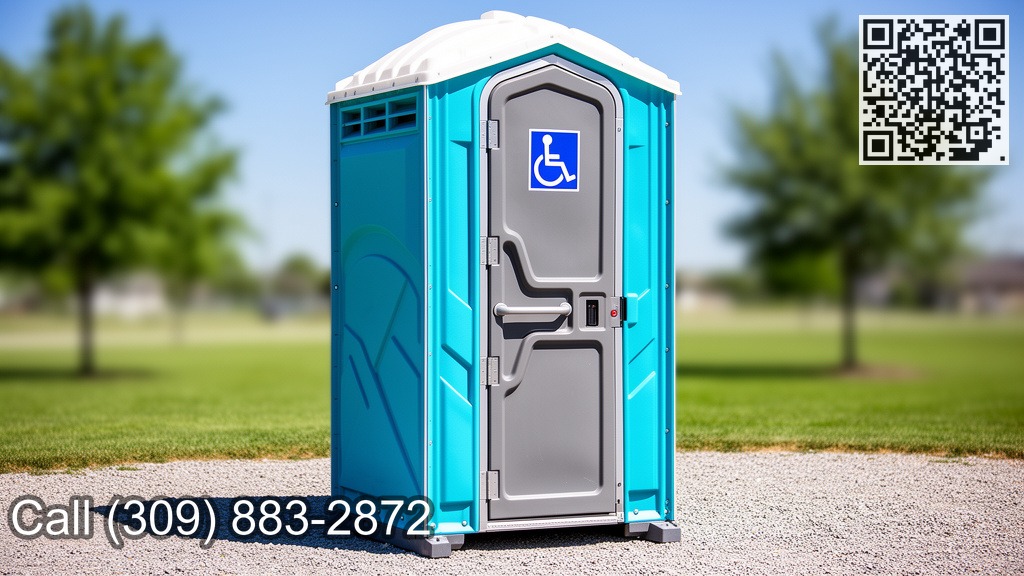
Choosing the ideal ada portable bathroom is actually picking whether accessibility will certainly be genuine or symbolic. For public usage, that distinction issues every time.
 Ask ChatGPT
 Ask Grok
 Ask Perplexity
 Ask Claude
 Ask Google AI
 Ask You