ADA Portable Toilet Requirements for General Portable Bathroom Rentals
When someone leas mobile washrooms for a wedding celebration, a street fair, a church barbecue, a region performance, or a temporary jobsite open to the general public, availability is not a side concern. It is part of whether people can attend conveniently, safely, and with self-respect. That factor gets shed remarkably commonly, typically not out of negative intent, but due to the fact that planners think a basic mobile bathroom lineup is good enough if they include sufficient units on the whole. It is not.
For basic portable bathroom services in the United States, the regulating federal availability requirement is the 2010 ADA Specifications for Accessible Layout, as analyzed by the united state Accessibility Board and the Department of Justice. That matters due to the fact that a great deal of complication still floats around the rental market. People listen to terms like ada portable commode, ada compliant portable bathroom, ada easily accessible portable bathroom, or ada certified available mobile washrooms and think the tag alone clears up the inquiry. It does not. The standard is what matters, and the practical configuration on site issues equally as much as the unit itself.
I have actually seen this play out in ordinary circumstances. A rental business delivers one bigger unit and every person kicks back, believing the accessibility box has been examined. Then the device obtains positioned at the much side of a muddy area, behind a visual, or without any usable method for a mobility device user. Theoretically, an accessible device was leased. In the real world, gain access to was still denied. That space between getting the appropriate equipment and producing real access is where many avoidable problems begin.
What the ADA requires for general mobile toilet rentals
For clusters of portable single-user commode devices, at the very least 5 percent of the systems in each collection must be accessible. The Gain access to Board has explained that this uses also at short-lived occasions. That solitary rule solutions among one of the most usual questions event organizers ask: if you are grouping mobile commodes with each other, you do not make a decision accessibility system by system based on guesswork or presence assumptions. You consider the collection and make sure at least 5 percent of that cluster is accessible.
That requirement is straightforward in principle, however individuals still stumble over the word "collection." In method, this suggests you can not treat accessibility as optional even if the configuration is momentary, outdoors, or only in position for a weekend break. Temporary does not suggest excluded. A public-facing mobile toilet rental setup still needs to make up easily accessible use.
There is one vital difference worth stating thoroughly. The ADA requirements differentiate mobile bathroom units at building and construction websites that are made use of specifically by construction workers. Those are treated in a different way under the older 1991 common language referenced in the validated context. But this article has to do with basic portable toilet rentals, not that narrow construction-only circumstance. For general leasings, the accessible-unit need remains.
That distinction matters due to the fact that some individuals borrow language from construction methods and apply it also extensively. An event, charity run, household get-together at a park, or neighborhood occasion is not the same as a portable system scheduled just for building and construction workers. If the rental is for general usage, accessibility becomes part of the requirement.
"Obtainable" suggests more than a larger box
A real ada certified portable toilet is not simply a spacious system with a larger feeling. The ADA requirements need greater than extra square footage. Portable obtainable systems should be identified with the International Sign of Accessibility. They likewise have to have an accessible path and entryway, and any required ramps or touchdowns should adhere to ADA technical requirements.
Inside the device, the technological requirements for toilet rooms still use. That includes component clearances, transforming area, door maneuvering clearances, and suitable grab bar and water wardrobe clearance regulations. This is where a great deal of unclear marketing language breaks down. A supplier might promote ada-compliant mobile bathrooms or ada certified mobile bathrooms, but if the real setup does not sustain entrance, turning, and usage under the ADA technical rules, the label alone is not enough.
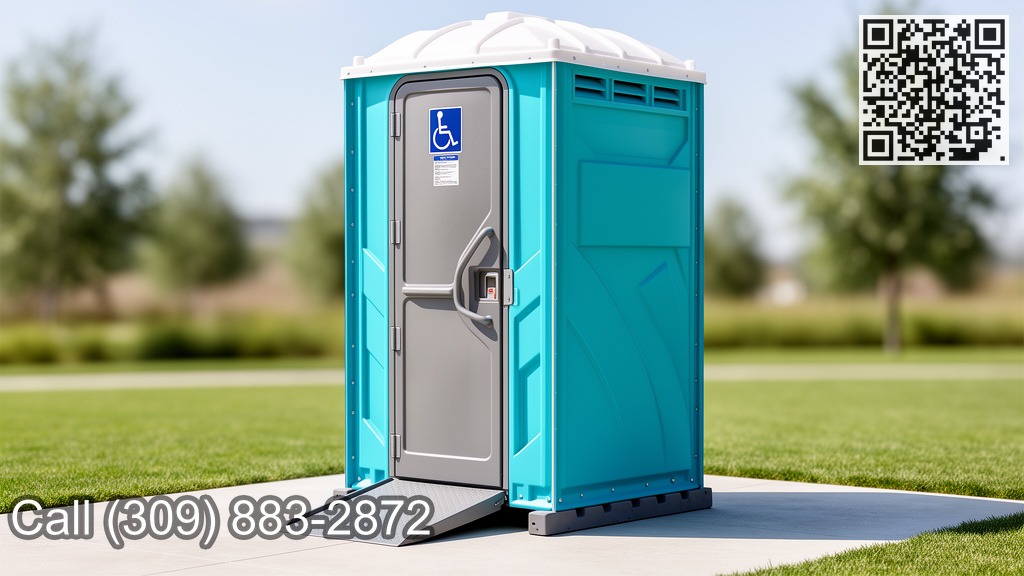
The practical lesson is simple. Availability is a system, not a sticker label. The device, the entryway, the course to the entryway, and the interior format all need to function together.
Why positioning is frequently the real problem
If there is one concern that causes much more difficulty than purchasing the wrong unit, it is positioning the right unit in the wrong location.
An ada mobile bathroom can be made properly pointless by website problems. A few instances come up again and again. The system is established on irregular ground that shifts under wheels. The route to the system crosses soft yard, loosened gravel, or a lip that obstructs entry. The collection sits behind barriers with inadequate handling area. The door opens up right into an awkward area without any useful method. The sign exists, yet the experience is not accessible.
That is why the available course requirement deserves even more attention than it generally gets. People not surprisingly focus on the mobile commode itself because it is the rented item. Yet the path to it is just as essential. A person can not make use of an ada handicap available portable washroom if they can not get to the entryway in the very first place.
This comes up at exterior occasions more frequently than lots of coordinators anticipate. A field that feels "mainly level" when you walk it in completely dry footwear might be very different for a wheelchair individual, a person using a walker, or a guest with restricted equilibrium. Even small adjustments in grade, soft ground, or inadequate shifts can make access hard or impossible. The ADA's path and entrance needs exist for a factor. They are not technical facts. They show how people in fact move via a site.
Temporary occasions still count
One of one of the most persistent misunderstandings is that the guidelines unwind when an event is short-lived. They do not. The Gain access to Board's advice explains that the 5 percent available demand applies even at short-lived events.
That factor must resolve a discussion that pops up every spring and summer. A pop-up beer yard, a one-day arts market, a weekend competition, or a ceremony hosting location may really feel informal, but if mobile single-user toilet units are clustered there, availability still needs to become part of the strategy. "It's only for a day" is not a defense, and it is not much comfort to a visitor who shows up and finds no usable restroom.
The very same concept relates to event range. Little events are not automatically excused. Huge events are not the just one that require an ada mobile commode leasing method. Even a modest event can leave people out if ease of access is dealt with as optional.
The signage item is very easy to overlook
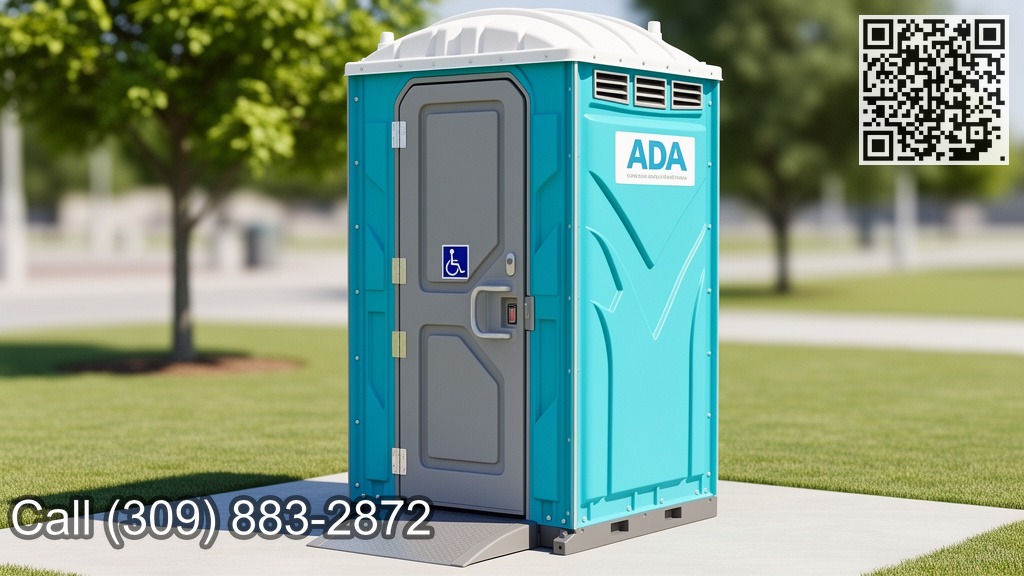
Accessible portable toilet systems should be identified with the International Symbol of Ease Of Access. This may seem like a small information compared to course and clearance needs, yet it matters in practice.
When signs is missing or uncertain, guests usually waste time looking, asking personnel, or opening doors that do not satisfy their demands. That is irritating for any individual, and for people taking care of pain, urgency, tiredness, or flexibility constraints, it can turn a workable outing into an unpleasant one. Clear recognition helps people locate the best device quickly and with less stress.
It also assists staff and volunteers direct guests appropriately. At active occasions, front-line workers are often answering concerns while juggling a lots other jobs. If the obtainable unit is properly noted and smartly put, the whole communication becomes smoother.
Counting devices correctly
The 5 percent rule sounds mathematically easy, yet it still produces uncertainty because people desire a crisp one-size-fits-all formula for every single circumstance. The core policy is the component we can specify with confidence from the validated context: a minimum of 5 percent of the devices in each cluster have to be accessible.
The more useful takeaway is not to obtain smart with the mathematics or the design. If you are organizing basic mobile toilet services, believe in terms of the actual clusters you are developing on the ground. If there are several separate banks of systems throughout a site, accessibility has to be considered where individuals will reasonably need it. Treating one remote obtainable device as if it serves every organizing well is typically where organizers drift away from the spirit and function of the standard.
This is where compassion aids. Imagine participating in an occasion with wheelchair restrictions and being informed the accessible choice exists, yet it is across the venue, previous groups, and down a route that is tough to navigate. Technically existing is not the same as reasonably usable.
Questions to resolve before delivery day
Most accessibility blunders take place prior to the truck arrives. They start in the planning conversation, when no person asks enough follow-up questions concerning where the units will go and that will be making use of them.
A short preparation check can stop the majority of the common failings:
- Is the leasing for basic use as opposed to a construction-only use restricted exclusively to building and construction personnel?
- Will each collection include at the very least 5 percent accessible units?
- Is there an easily accessible course to the device's entrance?
- If ramps or landings are needed, will they comply with ADA technological requirements?
- Will the available system be plainly understood the International Symbol of Accessibility?
That is not an abstract conformity workout. It is a functional handoff in between coordinator, site supervisor, and rental provider. When those 5 concerns are responded to early, the opportunity of a last-minute shuffle drops sharply.
What renters ought to ask vendors, and what suppliers ought to ask back
The best mobile toilet rental conversations are specific. If a customer simply requests "one handicap unit," there is a danger that everyone leaves too much unsaid. A far better discussion covers the nature of the occasion, whether the units are gathered, where they will certainly be placed, and how attendees will certainly reach them.
For customers, this suggests requesting more than a broad promise of accessibility. Terms like ada certified portable washroom, ada-compliant mobile bathroom, or ada certified portable commodes should cause sensible inquiries. Will the system be significant correctly? Does the site support an obtainable route? Exists sufficient area for approach and door maneuvering? Are the surrounding surfaces practical? If extra functions like ramps or touchdowns are required, are they being planned in a manner that follow ADA requirements?
For providers, the responsibility is not just to supply inventory. It is to comprehend whether the designated positioning will certainly threaten availability. A respectable provider understands that a really useful ada mobile bathroom depends upon the site as long as the unit. Also if final positioning decisions come from the organizer or building supervisor, distributors do everyone a favor when they ask tough inquiries very early instead of approving unclear guidelines and wishing for the best.
A couple of usual mistakes that cause trouble
These are the issues I see most often generally mobile commode planning:
- Renting an accessible device however falling short to offer an obtainable course to it.
- Treating a momentary occasion as if accessibility policies do not apply.
- Assuming a larger device is immediately ADA certified without inspecting the full requirements.
- Forgetting clear identification with the International Symbol of Accessibility.
- Concentrating easily accessible solution as well far where individuals in fact need it.
None of these mistakes are dramatic on their own. That is specifically why they occur. They look little on a planning spreadsheet and big in a visitor's lived experience.
The construction-site exception, handled carefully
Because this topic triggers complication, it deserves reviewing the building and construction point with care. The validated context keeps in mind a distinction for mobile commode systems at building sites made use of exclusively by construction employees. That is a specific condition. It must not be extended into a blanket justification for general rentals.
If the service scenario is a public occasion, customer-facing service use, community function, or any kind of various other general-use arrangement, the more secure and extra accurate framework is to deal with the accessible-unit demand as appropriate. Too many organizers listen to "building and construction" and believe any type of short-lived setup shares the same therapy. It does not.
This is just one of those locations where a narrow exemption can create wide misunderstanding. When unsure, classify the real usage honestly. If the units are for basic users, plan for access accordingly.
Compliance is happening in a larger ADA environment
Accessibility preparation for portable washrooms does not exist alone. In 2026, the more comprehensive compliance environment continued to show energetic ADA interest across markets. One relevant example is the Department of Justice assistance extending the target date for state and city government internet and mobile access policies to April 26, 2027 for larger entities. That growth is not regarding mobile commodes straight, yet it mirrors something crucial: ADA compliance is not fading into the background. It remains an online location of responsibility and enforcement.
That wider context ought to urge seriousness, not anxiety. For a lot of organizers and rental suppliers, the objective is illegal cinema. It is ordinary skills. If individuals are invited to an area, they need to be able to use the toilet there. That is a standard component of friendliness, accessibility, and public accommodation.
Good ease of access planning feels normal to the guest
The ideal obtainable bathroom configuration hardly ever obtains appreciation since it does not force anyone to think of it. Guests show up, find the ideal unit, travel a useful route, enter without a struggle, and proceed with their day. That level of smoothness is the point.
Poor preparation, on the various other hand, becomes unforgettable fast. A visitor has to ask 3 personnel where the ada accessible portable bathroom is. The device is technically existing however blocked by surface. A family member needs to search ahead in shame. Someone leaves earlier than intended since they can not depend on the facilities. Those stories travel, and they should. They reveal whether an occasion invited people in a genuine feeling or in the language of a flyer.
For organizers, this is not just a compliance concern. It is a count on worry. If attendees with disabilities can not depend on restroom accessibility, they might hesitate to return following year, and they may recommend others as necessary. The very same is true for clients choosing vendors. Rental companies that comprehend access, ask good concerns, and aid consumers avoid usual mistakes come to be far more valuable than companies that just drop units and depart.
Practical judgment issues as long as the rulebook
The rulebook provides the framework. Real-world judgment makes it work.
An ada compliant portable toilet placed where individuals can actually reach it is better than a nominally certified configuration put thoughtlessly. https://daltongdqy647.northvaledigest.com/posts/ada-certified-portable-restrooms-turning-area-and-clearance-basics A well-planned cluster that accounts for course, strategy, and identification offers visitors much much better than a rushed order put the night before an occasion. None of that transforms the legal requirement, yet it does reflect how compliance is successful in the field.
That is why knowledgeable coordinators develop access into the very first website stroll, not the final clean-up checklist. They look at the ground conditions, crowd circulation, distance from crucial activity areas, and whether the obtainable alternative is truly incorporated right into the restroom plan as opposed to tacked onto it.
When people make use of phrases like ada-compliant mobile restrooms or ada mobile commode demands, they are frequently looking for an item requirements. What they actually require is a site-wide attitude. The unit should meet the suitable toilet-room technical requirements. The route needs to come. The entry needs to work. Ramps or touchdowns, when required, need to abide. The unit has to be identified appropriately. And the percentage need for every cluster need to be respected.
That might sound like a whole lot up until you remember what is at risk. It is not documentation for its very own benefit. It is whether a person can attend the same occasion as every person else and satisfy a fundamental human requirement without barriers, pain, or dependence.
The standard every general occupant must remember
If you bear in mind only the basics, remember these. For basic portable toilet rentals in the United States, the regulating federal criterion is the 2010 ADA Criteria for Accessible Layout. In clusters of mobile single-user bathroom units, at least 5 percent of the systems in each collection have to be accessible, consisting of at temporary events. Easily accessible systems should present the International Symbol of Availability. They must be served by an available route and entrance, with any kind of necessary ramps or touchdowns meeting ADA technical needs. And the systems must satisfy the appropriate toilet-room technical regulations, consisting of clearances, transforming room, door maneuvering clearances, and pertinent grab bar and water closet clearance requirements.
Everything else is execution.
If you are renting for a basic target market, treat accessibility as part of the core order, not an add-on. Ask more concerns than feel strictly needed. Walk the course prior to the event starts. Check out the website via the eyes of a visitor who can not tip over aesthetics, press conveniently via soft ground, or squeeze through a tight method. That extra treatment is rarely made complex, and it makes a noticeable difference.
A well-planned ada portable toilet service does not simply satisfy a demand. It makes the event much more useful, more inviting, and much more respectful for the people who show up expecting to participate fully. That is a standard worth conference every time.
 Ask ChatGPT
 Ask Grok
 Ask Perplexity
 Ask Claude
 Ask Google AI
 Ask You